THE BLINQFIX BLOG
What to Do When a Pipe Bursts: A Homeowner's Step-by-Step Emergency Plan
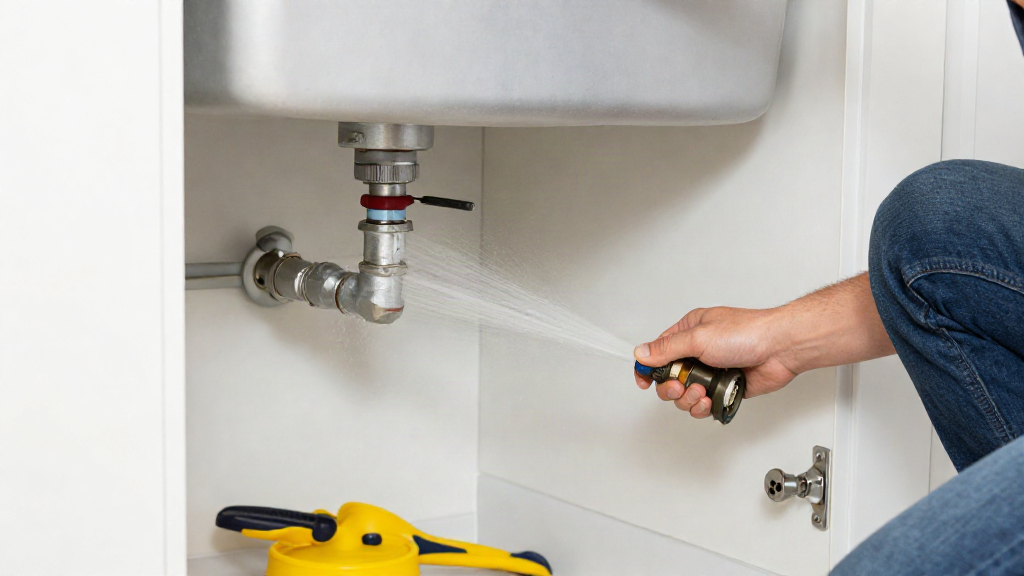
A burst pipe is one of the most urgent calls a homeowner can face. Water doesn't wait. In minutes it can soak flooring, ruin drywall, and threaten your electrical system. But here's the reassuring part: you do not need to panic. You need a plan.
The good news is that the first 10 minutes are the ones that matter most. Take these steps in order, and you can contain most of the damage before any professional arrives.
Step 1: Shut Off the Water Immediately
Your very first move is to stop the flow. Find the main water shut-off valve and turn it off at the source. It is usually located:
- Near your water meter, often in a basement, crawlspace, or garage
- Against an exterior wall where the water line enters your home
- Under the kitchen sink or near the water heater for smaller emergency valves
When you turn a gate valve, rotate the handle clockwise until it stops. If your home has a ball valve, turn its lever a quarter turn so it sits perpendicular to the pipe. Once the main is off, no more water enters the burst line.
If you can't find the shut-off valve quickly, or you live in a building where yours is hard to reach, shut off the individual fixture valve closest to the leak if you can access it safely.
Step 2: Turn Off the Electricity
Do not go near your breaker panel until you know where water is. Water and electricity are a deadly mix. If the leak is anywhere near an outlet, appliance, light fixture, or electrical panel, do not touch it.
If you can safely access your breaker box without stepping in water, turn off the affected circuit breakers. If you cannot reach them safely, call your utility or an emergency pro and stay clear of the area. Never attempt to turn off power while standing in standing water.
Step 3: Stop the Leak Enough to Protect Your Home
With the water off and power safe, it's time to limit property damage:
- Place buckets, bins, or towels under any drip to catch water
- Move furniture, rugs, boxes, and electronics out of the affected zone
- Punch a small hole or make an access point if water is pooling in a ceiling below the leak, so it drains into a bucket instead of running along the drywall
- Open the faucet nearest the burst to drain remaining pressure in the line
These emergency fixes are about buying time, not fixing the pipe. They protect your floor and structure until a professional arrives.
Step 4: Document the Damage
Before you clean anything, grab your phone and take photos and video of the area. Document:
- Where the water is coming from and how far it traveled
- Any damaged belongings, flooring, drywall, or cabinetry
- The visibly burst pipe and the surrounding area
This documentation matters for your insurance claim and gives the pro full visibility into what they'll be repairing. It also means you never rely on memory after the cleanup, when details blur.
Step 5: Call a Licensed Emergency Plumber
There are some DIY situations where patching a leak is reasonable, like a cracked washer or a loose fitting. When a pipe has actually burst, that is a job for a licensed professional. Look for a licensed and insured pro who offers upfront pricing and can get to you fast.
A burst pipe needs emergency response, not a scheduled appointment days away. When you call:
- Be ready to describe where the leak is, whether the main is off, and how much water escaped
- Ask about response time and upfront pricing before they arrive
- Confirm they are licensed and insured
- Get a transparent estimate so there are no surprise fees later
Why Fast, Vetted Pros Matter
When water is spreading through your home, the cost of waiting grows by the minute. Delays mean more drywall replacement, higher restoration bills, more risk of electrical damage, and a greater chance of mold forming in the days after the leak dries improperly.
That's why a dispatch to a licensed, background-checked pro who can track your progress in real time makes such a difference. You get a certified repair done right the first time, with upfront pricing and payment in one simple place, rather than a long phone chain and unknown rates.
Final Checklist: Do these in order
To keep it simple, here's the exact order to follow:
- Shut off the main water supply.
- Turn off the power, only if you can do so from a dry, safe spot.
- Contain the leak with towels, buckets, and by moving uphill the items they can save.
- Document everything with photos and video.
- Call a licensed emergency plumber for a fast, upfront-priced fix.
- Move your family to a dry, safe room until the pro is on the way.
The bottom line
A burst pipe is stressful, but it is survivable and fixable. The first minutes determine how much harm the water does. Cut the water, cut the power, protect your stuff, document the damage, and put a licensed pro on the job fast.
When you need that fast, vetted pro and real jobs rather than leads, a service that connects you to licensed emergency home repair pros with transparent upfront pricing gives you the control and calm you want in a moment that would otherwise feel out of your hands. Do the damage from worse, and let the professionals handle the repair.