THE BLINQFIX BLOG
Emergency Electrician vs DIY: 8 Fixes You Can Handle and 8 to Leave to a Licensed Pro
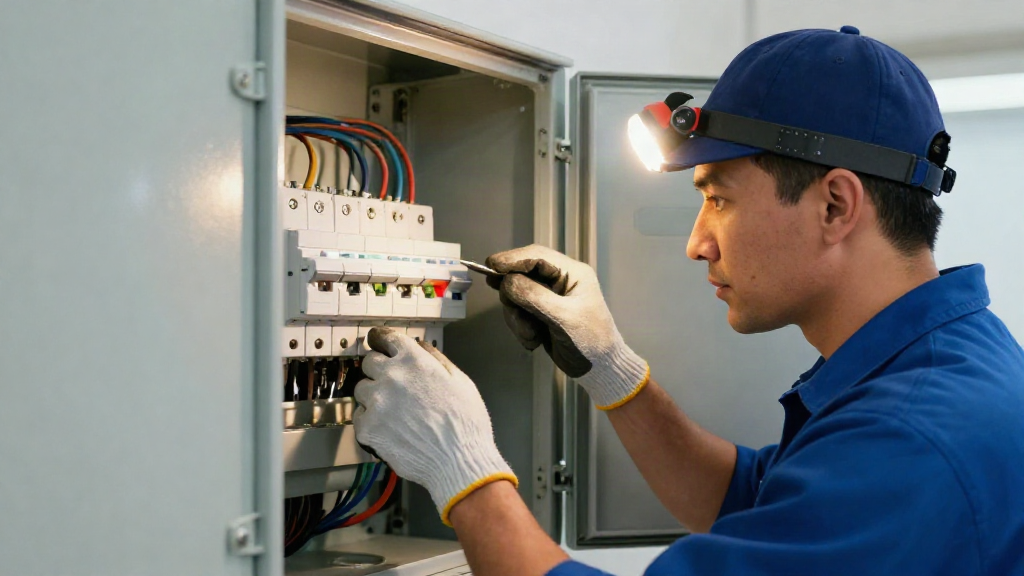
When the lights flicker, a breaker keeps tripping, or a socket gives you a shock, the first thought is often the cheapest: "Can I just fix this myself?" In some cases, yes. In many more, no - and the line between the two is where fires, shocks, and costly callbacks happen.
This guide breaks the decision into two clear lists: eight fixes most homeowners can safely handle, and eight jobs that belong to a licensed electrician every single time. If anything here feels out of your depth, that is not a failure - it is the signal to get help fast.
The one rule that decides everything
Before the lists, one rule. It decides nearly every DIY-versus-pro call:
If you cannot turn off the power to what you are working on, and visually confirm it is off, you do not touch it.
Everything else flows from that. Triple-check a breaker with a tester. Shut the main off when you are unsure. And when the fix involves live service wiring, the panel, or anything damp, step back and call a pro. Getting an emergency electrician to your door costs far less than an electrical fire or a shock hospital visit.
Eight fixes you can usually handle yourself
These are low-risk, low-voltage-adjacent jobs where the power can be confidently isolated. Take your time, read the instructions, and if something feels wrong, stop.
- Reset a tripped breaker - by far the most common. If a breaker trips, unplug what was on that circuit, flip it back, and test one device at a time. If it trips again instantly, move down to "call a pro."
- Replace a light bulb or a simple light fixture - always after switching off the breaker and letting the fixture's warm-up state settle.
- Change out a cover plate or faceplate - a five-minute, power-off job that instantly cleans up a room.
- Replace a standard wall plate on an outlet or switch - again, a cosmetic fix once you know the power is off.
- Test and reset GFCI outlets - those outlets with the Test and Reset buttons in kitchens, baths and garages. Push reset. If it immediately trips again, there is a fault.
- Replace batteries in smoke and carbon monoxide alarms - the single most effective electrical-adjacent safety habit there is. Set a reminder, do it twice a year.
- Tighten wobbling plates or gently seat a loose plug - never let a plug sit part-way in. Unplug on the same circuit you are working.
- Swap batteries or re-seat a tripped switch on a power strip or extension cord's built-in breaker - keep the load within its rating and over nothing.
Eight jobs to leave to a licensed pro, no exceptions
These go beyond simple and into the territory where an unidentified voltage, a wrong connection, or worn wiring becomes a genuine threat to your home, your family, or your property.
- Anything inside the main service panel - replacing a breaker, rewiring a panel, or tightening a main lug. The panel is inherently live, even with switches off. This is the first thing an electrician learns to treat differently.
- Fixing around water - a circuit that's damp, a burst pipe cleanup area, or any outlet near a fluid. Water and electricity make their own emergency. Get the water stopped and a pro on the ceiling.
- Running new circuits or doing real rewiring - adding an EV charger, a new kitchen run, or any wire behind a wall. This is where building. Getting it wrong is an insurance fight.
- Aluminum wiring - a special hazard. If your home has aluminum conductor branch and a connection has failed, touch nothing. This is a licensed-pro call.
- Repeated or unexplained breaker trips - if you have already reset it more than once, you have a fault in the wiring, the device, or the load. The hunting is exactly what a trained eye is for.
- Burning smells, sparks, smoke, or heat at an outlet or panel - the smell of burning plastic is not "weird," it is a fire in progress. Turn it off at the breaker if safe, evacuate the last resort, and call a pro and often 911.
- Buzzing, flickering across multiple lights, or hot switch plates - these point to a shared wiring problem, not a single bulb. Leave these on the pro list.
- The whole-house electrical work for a major remodel - subpanels, services, grounding, or the meter. Licensed, and insured, and permitted work is the only real option.
When DIY turns into exactly the right moment to call a pro
Most homeowners cannot spot the "it was fine yesterday" failure behind their own panel. That is precisely when a licensed, vetted pro pays for itself. The peace of mind is not about cost - it is about a smoke alarm that stays silent because the real issue got found and fixed the first time.
How to get a vetted pro fast
When your job lands on the pro list, you do not want phone tag, surprise fees, or a handshake with someone unlicensed. You want a vetted, local licensed expert who can actually show up when it matters - booked, tracked, and paid in one place.
That is exactly what BlinqFix is built for. Request a licensed emergency and on-demand home repair pro in the app, see upfront, no-hidden-fee pricing before anyone starts, and track the pro in real time as they head your way. Real jobs, not leads - someone who is a 5-minute vetting and a license check away from your breaker box. No phone tag, no surprise invoices for the real fix that counts.
The quick answer
- Small, power-isolated fixes: DI, DIY confidently, but be honest about your limit and your testable confidence.
- Anything live, wet, hot, sparking, or systemic: call a licensed electrician right now. Your safety, and your home, are worth the one call.
When that moment comes, and it is urgent, getting an emergency electrician near you through BlinqFix is how you go from "I think I can fix it" to "a vetted pro is on the way" - without the runaround. Fast help, when home repairs cannot wait.