THE BLINQFIX BLOG
Emergency Electrician Near Me: A Beginner's Guide to What Truly Counts as an Emergency
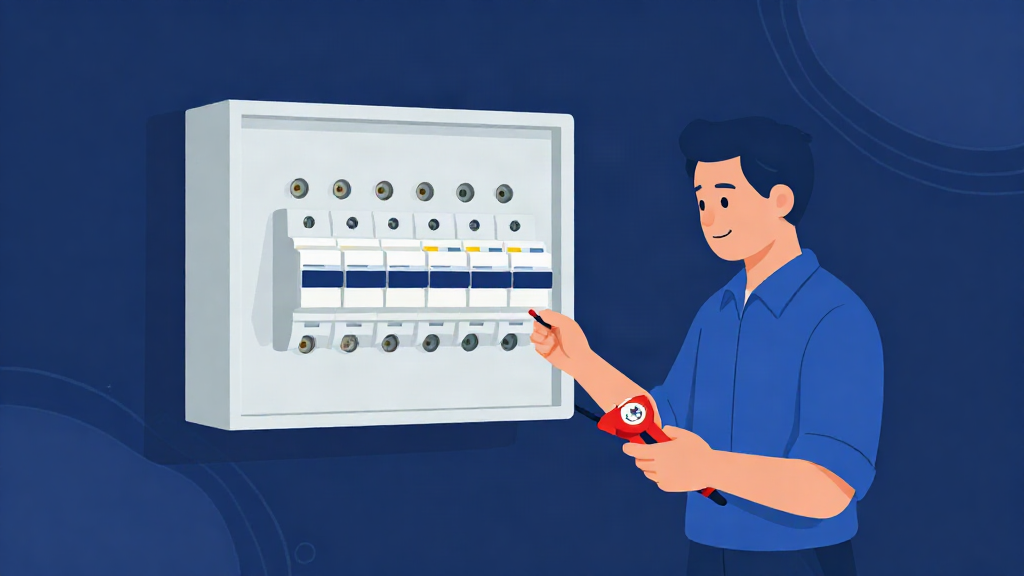
A breaker flips. An outlet makes a popping sound. A light flickers and then dies. For most homeowners, electrical problems are frightening because they are invisible - you cannot see the danger, only its effects. And the stakes are high: electricity that goes wrong can start a fire or cause a shock.
This beginner's guide helps you recognize what truly counts as an electrical emergency, what to do and - just as importantly - what to avoid doing while you wait, and how to get a licensed electrician there within the hour. If you have never thought about this before, this is the article for you.
What counts as an electrical emergency?
Not every electrical issue is an emergency, and learning the difference is the first step to staying calm and safe. Here are the situations that genuinely cannot wait:
- A sparking outlet or switch
- A breaker that keeps tripping for no clear reason
- A burning, melting, or hot-to-the-touch smell near an outlet or panel
- Exposed or cut wiring
- A circuit that stays live after you have shut it off
- Any electrical issue combined with water
If you see or smell any of these, treat it as urgent. These are signs of a live hazard that can escalate quickly, and they all call for a licensed electrician.
What does not count as an emergency?
Equally useful is knowing what can likely wait for a scheduled appointment:
- A single breaker trip that resets and stays reset
- A dead outlet with no damage, smell, or heat
- A frequently annoying but non-hazardous switch (flickering with no heat or smell)
- Routine wiring, lighting, or fixture work
If you are not sure, err on the side of calling a professional. An electrician - not a guess - is the right person to tell you whether something can wait. When in doubt, remember that the inexpensive choice is to ask.
Do - and don't - while you wait
If you have an electrical emergency and a licensed electrician is on the way, follow these safety rules.
Do:
- Turn off the affected circuit from the breaker panel if you can do so safely, standing dry and away from water.
- Keep people and pets away from the affected outlet or panel.
- Unplug items near a hot or sparking outlet.
- Confine the problem area so nothing else contacts it.
Don't:
- Never touch a live wire or outlet with wet hands.
- Never attempt to repair live wiring yourself.
- Never try to "fix" a breaker that keeps tripping by forcing it back on.
- Never put a fire extinguishing material on an electrical fire without the right extinguisher - get everyone out and call 911 if there is fire.
Your job while you wait is safety and containment, not repair. Leave the wiring to someone licensed to handle it.
Why a licensed electrician specifically?
Electrical work is not the place to save money with an unlicensed helper. The risks - fire, electrocution, code violations, voided insurance - are too high.
A licensed electrician brings:
- Certification and vetting: they are licensed, insured, and verified to work on your area's systems.
- Correct equipment: they can test circuits and diagnose faults properly.
- Code knowledge: they fix it right the first time, keeping your home compliant.
Look for confirmation that the electrician you are hiring is actually licensed and insured. Services like BlinqFix pre-verify that every electrician they connect you with is a licensed, insured professional, so you are not left guessing in a crisis.
How to get a licensed electrician within the hour
When the repair cannot wait, the fastest reliable path is instant booking. The old routine - calling around, waiting on hold, leaving a voicemail - can turn a spark into a house-wide problem while you play phone tag.
Instead:
- Contain the risk: shut off the circuit if safe, keep everyone clear.
- Skip the directory: use a trusted service that pre-vets licensed electricians.
- Book instantly: lock your slot with immediate confirmation, no waiting.
- Track your pro: watch the electrician arrive in real time on a map.
- Get transparent pricing: agree on the cost upfront, with no hidden fees.
That loop turns an anxious, open-ended wait into a confirmed professional rescue.
What a licensed electrician will do when they arrive
Once a licensed electrician is on site, expect them to:
- Ask what happened and inspect the affected outlet, panel, or circuit.
- Test the wiring to locate the exact fault.
- Explain the problem and the fix, along with clear pricing.
- Repair the issue to code and verify the circuit works safely.
- Leave you with documentation of the work done.
The honest, diagnostic approach is a large part of what you are paying for. A professional finds the actual fault instead of guessing, and fixes it so it stays fixed.
Common electrical warning signs to watch for
Knowing these warning signs in advance helps you catch problems before they become emergencies:
- Frequent breaker trips
- Flickering or dimming lights with no obvious cause
- Outlets that feel warm to the touch
- Burning or melting smells near outlets or the panel
- Crackling, buzzing, or popping sounds from outlets or switches
- A consistent need for power strips or overloading a single outlet
If several of these appear together, it is time for a licensed electrician to take a look - ideally before the situation escalates to a full emergency.
Conclusion
Electrical emergencies are frightening because the danger is hidden, but they become manageable when you know three things: what counts as an emergency, what to do and not do while you wait, and how to get a licensed electrician there fast. That knowledge turns panic into a clear sequence of actions.
When your repair cannot wait another hour, BlinqFix puts licensed electricians, plumbers, and handymen within reach 24/7 across the USA - with upfront smart pricing, instant booking, and live tracking in one app. The next time a breaker trips or an outlet sparks, you will know exactly who to call.